


This Week, Those Books links the big international story to the world of books. Our aim is to provide crucial context — from fiction and non-fiction — to the shouty, doomscroll news cycle. We’ve been going two years and have built up a following across the world, in every continent except Antarctica. It’s a small operation here at TWTB and we’re sustained by reader support, so if you find This Week, Those Books useful, thoughtful, and…a conversation starter, please read, respond, refer a friend.
More context, fewer walls
We live in a world that needs more context and fewer walls! This Week, Those Books has no paywalls when we publish. But if you, Dear Reader, can support our effort to explain current affairs, please subscribe. It’s cheap as chips and you get access to our extensive archives! Can’t pay? You can still support us by sharing this post as widely as possible. Either way, thank you.
The Big Story:
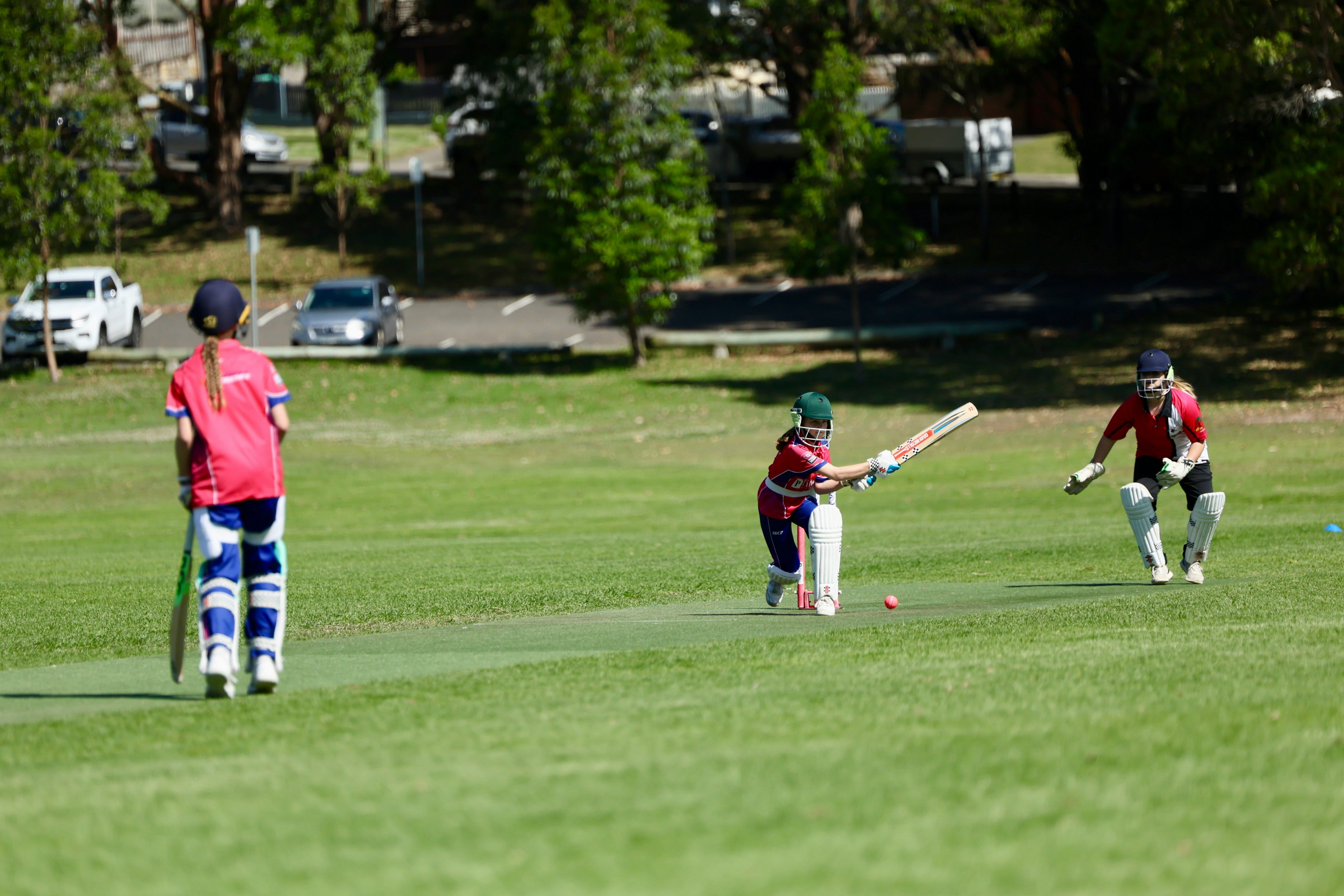
Women’s sport is in focus with the Rugby World Cup ending in England just as the Cricket World Cup begins in India and Sri Lanka.
In July, the Uefa Women’s Euro 2025 racked up record attendance and viewership across Europe and the Women’s Africa Cup of Nations in Morocco received impressive global media coverage.
The Back Story:
The Cricket World Cup starts with a big prize pot and low-priced tickets.
At nearly $14 million, the cricket prize money is four times the last tournament in New Zealand in 2022. A ticket costs a hundred Indian rupees or less than one British pound, which is eight times cheaper than in 2022.
The International Cricket Council is hoping a tsunami of excitement over women’s cricket will surge into next year’s Women’s T20 World Cup in England and make it the most-watched and highest-grossing women’s tournament ever.
More than 375,000 tickets were sold for women’s rugby’s month-long flagship tournament and the September 27 final match sold out the 82,000 seat Twickenham stadium.
World Rugby, the game’s international governing body, says it expects the 2033 Women’s World Cup, due to be held in the US, to be the first to turn a profit.
Deloitte, a consultancy, forecasts total revenues across female sport of $2.4 billion this year, a big jump from $692 million in 2022.
In the US, the Women’s National Basketball Association and National Women’s Soccer League are growing strongly.
This Week, Those Books:

Read us on the 2023 FIFA World Cup: Women’s football: Girl power summer
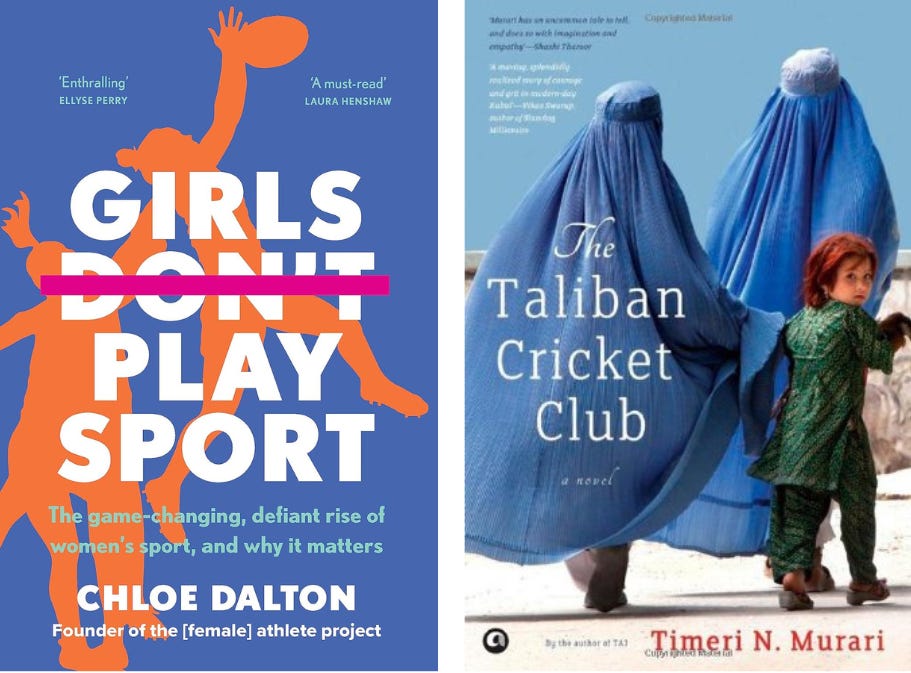
Girls Don’t Play Sport: The game-changing, defiant rise of women’s sport, and why it matters
By: Chloe Dalton
Publisher: Allen & Unwin
Year: 2023
This passionate account is by Australian Rugby Union player and Olympic gold medallist Chloe Dalton but it goes beyond her particular sport and makes the broader case for a level playing field.
Dalton writes about how sport has always been hard going for women, starting with the tease ‘you play like a girl’. She laments that throughout her childhood, she “couldn’t see female sporting idols on television or in the newspaper, or hear about them on the radio”. It was an indicator, she realised, of decades of underrepresentation of women “across all facets of sport, from playing to coaching to administration and management”.
When women do play, they face qualifiers at every point. Dalton writes, “I am known as a female athlete who plays women’s sport. Have you ever heard Tiger Woods referred to as a male athlete who plays men’s golf?”
The book covers some high points, not least the first time women were able to compete in the Olympics (1900) and run the Boston Marathon (1967).
Choice quote:
“Women’s sport is often entire generations behind the men’s game, and yet they are constantly compared in terms of score lines, skill execution, entertainment factor and crowd numbers. It’s like comparing the revenue and success of McDonald’s (which opened in the 1950s) with that of a small, Australian-owned burger business in its infancy. They are completely different propositions”.
The Taliban Cricket Club
By: Timeri N. Murari
Publisher: Aleph Book Company
Year: 2012
This novel is about the Taliban’s first stint in power, which makes it particularly topical five years after the ultraconservative movement took back control of Kabul and barred girls and young women from classrooms, universities, most workplaces and more generally, from public view.
The plot has Zorak Wahidi, head of the religious police or the Ministry for the Propagation of Virtue and Prevention of Vice, declaring that Afghanistan will become a cricket-playing country. Participation in an international cricket match in Pakistan is on the cards.
The female protagonist, Rukhsana, who learnt to play cricket in Delhi, suddenly starts dreaming alongside her brother and male cousins, of blessed escape from Taliban-ruled Afghanistan. The only catch is that none of the young men know how to play. Rukhsana is the only cricketer in the family!
It’s legitimate to see the novel as less about cricket than about the Taliban but it does bring home the joy with which a young woman can find a sense of freedom in sport.
Choice quotes:
“Taliban edicts, tattered and frayed but still menacing in their message, were reproduced in large notices pinned to the walls:
WOMEN SHOULD ONLY BE SEEN IN THE
HOME AND IN THE GRAVE”.
“The ruling council of the Islamic Emirate of Afghanistan, and I, have decided to show the world that we’re a fair and just people. To that end, our government has decided to promote cricket in Afghanistan…Cricket will show all those against us that we too can be sportsmen…We banned cricket because it was the legacy of the evil British. But we studied all sports and cricket is modest in its clothing. The uniform covers the player from his neck to his feet and covers his head as well”.
If you enjoyed this read, please forward to a friend to sign up.
Connect with me on: LinkedIn | Twitter | Bluesky | Facebook | Threads | YouTube
